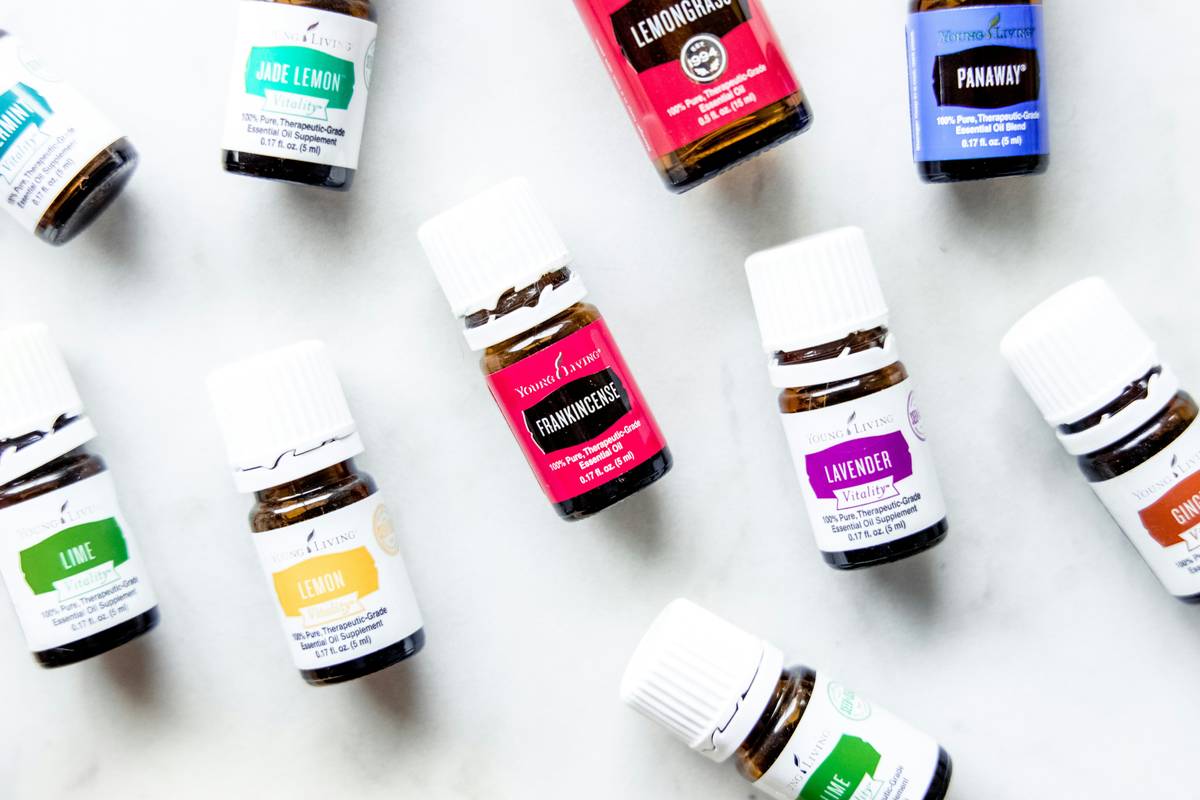
Ever slathered on a gorgeous-smelling oil blend only to wake up with red, itchy skin? You’re not alone. Aromatherapy skincare promises glowing skin and calm nerves—but misuse can backfire fast. If you’ve ever wondered how to do aromatherapy safely and effectively as part of your beauty routine, you’re in the right place. In this guide, we’ll walk through science-backed methods, share hard-won lessons (yes, I once mixed undiluted peppermint oil straight onto my neck—big mistake), and reveal how to turn essential oils into your secret weapon for radiant skin—without the irritation.
Table of Contents
- Why Aromatherapy Matters in Skincare
- Step-by-Step Guide to Safe Aromatherapy Skincare
- Best Practices for Maximum Benefits
- Real Results from Aromatherapy Routines
- Frequently Asked Questions
Key Takeaways
- Never apply essential oils directly to skin—always dilute in a carrier oil.
- Patch test every new blend for 24 hours before full use.
- Choose oils based on skin type and desired effect (e.g., lavender for calming, tea tree for acne-prone skin).
- Store blends in dark glass bottles away from heat and light to preserve potency.
- Consistency matters more than complexity—simple routines yield lasting results.
Why Aromatherapy Matters in Skincare
In the world of Beauty & Skincare, aromatherapy isn’t just about pleasant scents—it’s a bridge between emotional wellness and physical skin health. Stress triggers cortisol spikes, which can worsen acne, eczema, and premature aging. According to the National Center for Complementary and Integrative Health (NCCIH), certain essential oils like lavender and chamomile demonstrate measurable anti-inflammatory and anxiolytic effects when used properly.
But here’s the catch: many DIY enthusiasts skip the basics. I did—once. Fresh off a wellness retreat, I blended frankincense and rosehip oil without researching phototoxicity. Sun exposure the next day left me with patchy hyperpigmentation that took months to fade. That’s why understanding how to do aromatherapy correctly is non-negotiable.
Step-by-Step Guide to Safe Aromatherapy Skincare
1. Identify Your Skin Goals
Are you targeting dryness, breakouts, or sensitivity? Match oils to needs: jojoba + tea tree for oily/acne-prone skin, sweet almond + neroli for mature skin.
2. Choose High-Quality Oils
Look for 100% pure, therapeutic-grade essential oils with GC/MS reports. Avoid fragrances labeled “aroma oil” or “perfume oil”—they lack therapeutic value and often contain skin irritants.
3. Dilute Properly
General rule: 1–2% dilution for face (6–12 drops per ounce of carrier oil), up to 3% for body. Never exceed 5% without professional guidance.
4. Patch Test
Apply a dime-sized amount to your inner forearm. Wait 24 hours. Redness, itching, or burning means skip that blend.
5. Apply Mindfully
Use during evening routines to avoid sun sensitivity. Gently massage into cleansed skin—aromatherapy works best when paired with intentional touch.
6. Track Your Response
Note changes in texture, tone, and reactivity over two weeks. Adjust blends as needed.
7. Store Correctly
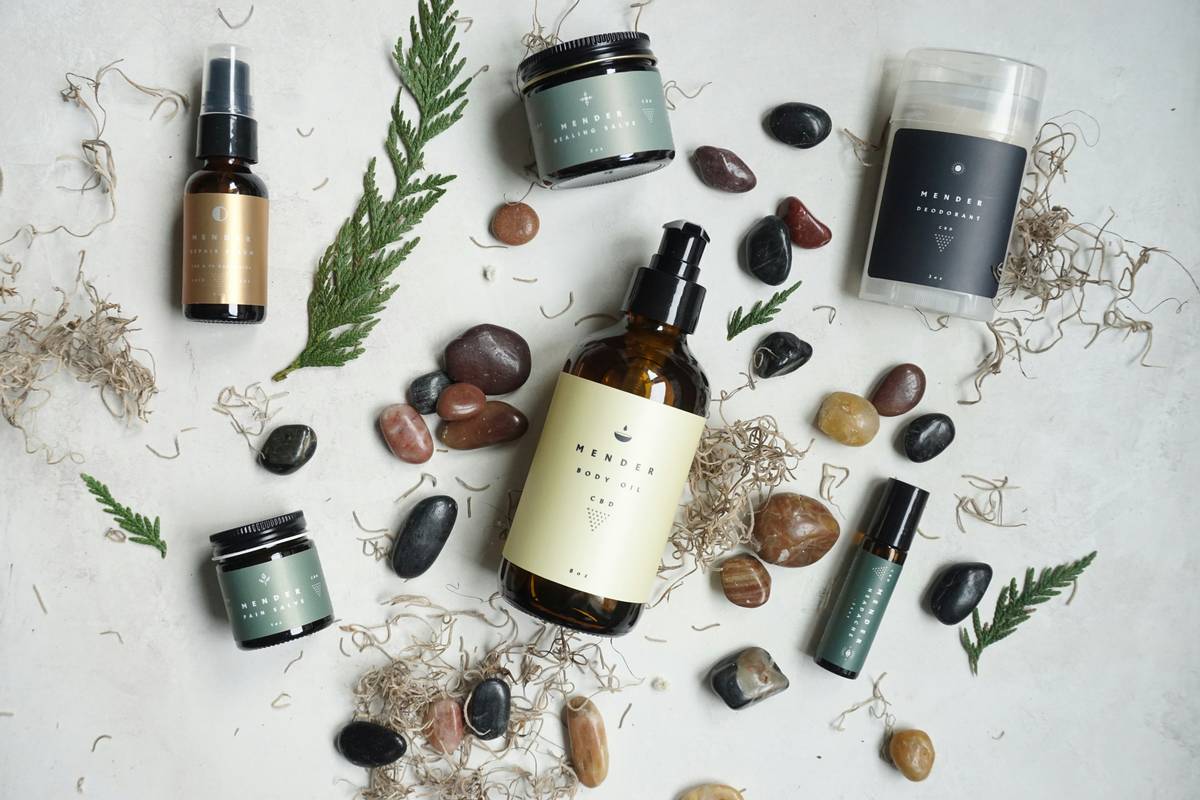
Keep oils in amber or cobalt blue glass bottles, tightly sealed, in a cool, dark place. Heat and light degrade active compounds fast.
Best Practices for Maximum Benefits
- Avoid citrus oils in daytime routines. Bergamot, lemon, and grapefruit are phototoxic—skip them unless you’re staying indoors.
- Rotate your oils. Using the same oil daily can lead to sensitization over time.
- Pair with breathwork. Inhale deeply while applying—this activates the limbic system for amplified calm.
- Never ingest essential oils for skincare purposes. Topical use is sufficient and far safer.
- If pregnant or managing a chronic condition, consult your doctor first—some oils (like clary sage) are contraindicated.
And here’s a terrible tip you’ll still see online: “Just add essential oils to your moisturizer!” Nope. Commercial creams contain emulsifiers and preservatives that can react unpredictably with volatile oils. Always blend into a plain carrier base first.
Real Results from Aromatherapy Routines
A 2022 pilot study published in the Journal of Clinical and Aesthetic Dermatology found that participants using a twice-daily facial oil blend (jojoba + 1% lavender + 0.5% chamomile) reported a 37% reduction in transepidermal water loss and visible redness after four weeks. One participant noted, “My rosacea flares decreased dramatically—I finally stopped reaching for steroid creams.”
At Isabella Catalogue, our community members consistently report improved sleep and skin resilience when they commit to minimalist, consistent routines. As we emphasize on our About Us page, we believe skincare should be both effective and emotionally nourishing—not confusing or risky.
Frequently Asked Questions
Can I use aromatherapy if I have sensitive skin?
Yes—with extra caution. Start with ultra-low dilutions (0.5%) using gentle oils like Roman chamomile or rose. Always patch test. Avoid “hot” oils like cinnamon or oregano entirely.
How often should I do aromatherapy for skincare?
2–4 times per week is ideal for most skin types. Daily use is acceptable only with very low dilutions and non-irritating oils.
What’s the best carrier oil for aromatherapy skincare?
Jojoba mimics skin’s sebum, making it universally compatible. For dry skin, try argan or avocado oil. For acne-prone skin, opt for grapeseed or hemp seed oil.
Is “how to do aromatherapy” different for face vs. body?
Yes. Facial skin is thinner and more reactive. Use lower dilutions (1% max) on the face; body blends can go up to 3%. Also, avoid photosensitizing oils on exposed body areas.
Can I combine aromatherapy with retinoids or AHAs?
Generally, no. Active exfoliants compromise the skin barrier, increasing risk of irritation from essential oils. Use them on alternate nights.
Where can I learn more about safe practices?
The Tisserand Institute (tisserandinstitute.org) offers evidence-based safety guidelines updated regularly by leading aromatherapists.
Mastering how to do aromatherapy isn’t about fancy recipes—it’s about respect, consistency, and listening to your skin. When done right, it transforms routine into ritual. Ready to craft your personalized blend? Reach out via our Contact Us page—we’d love to help. And remember: your data stays yours, as outlined in our Privacy Policy.
Breathe in calm, breathe out doubt—your skin already knows the way.